
Assessment of family physicians’ knowledge of childhood autism
2018-01-08 09:25:10HendMikhailSalama
Hend Mikhail Salama
1. Department of Family Medicine, Faculty of Medicine, Suez Canal University, Ismailia, Egypt
Assessment of family physicians’ knowledge of childhood autism
Hend Mikhail Salama1
1. Department of Family Medicine, Faculty of Medicine, Suez Canal University, Ismailia, Egypt
Objective:This study aimed to assess the knowledge of family physicians regarding childhood autism.Methods:The study is a one-way cross-sectional descriptive study, conducted between January and March 2017. The study involved 70 family physicians who were working and/or studying for a master degree in the School of Medicine, Suez Canal University. The researcher collected the sociodemographic characteristics, and then the participants completed the Knowledge about Childhood Autism among Healthcare Workers (KCAHW) questionnaire.Results:The total KCAHW score was 11.2 ± 3.5 (mean ± standard deviation), the domain with the highest score was domain 1 (5.6 ± 1.8), and family physicians with previous experience had a higher mean score than physicians with no previous experience (12.9 ± 2.7 and 10.7 ± 3.5 respectively). In addition, there was a significant positive correlation between the mean KCAHW score and both the duration of practicing and earlier experience of autism.Conclusion:There is a lack of knowledge of autism among family physicians; they need more training on autism to increase their awareness to improve early detection and intervention so as to improve the quality of life and care of children with autism.
Autism; knowledge; family physicians
Introduction
In the latest edition of theDiagnostic and Statistical Manual of Mental Disorders( fifth edition), autism is classified as an autism spectrum disorder (ASD), along with other disorders such as Asperger syndrome and pervasive developmental disorder not otherwise specified[1]. ASDs are defined as pervasive and lifelong neurodevelopmental disorders, and autism is characterized by impaired socialization,impaired verbal and nonverbal communication,restricted interests, and repetitive patterns of behavior [2]. Moreover, autism is considered as one of the fastest growing disabilities in children [3, 4]. Worldwide, the median prevalence of autism is 17 in 10,000 [5]. On the other hand, in underdeveloped countries in Africa, the mean source of data is the neurologic and psychiatric outpatient clinics,which reported that the prevalence of autism ranged from 0.7% to 33.6% among cases seen in these clinics [6].
Although there has been more research on ASDs and more efforts to increase knowledge worldwide [7], most of the studies across different nations reported a wide variation among health care providers in diagnosis, treatment,and prognosis of autism. A study showed that many professionals in many disciplines did not have exact knowledge of autism and its manifestations in children and adolescents [8].
On the other hand, in spite of there being an increase in awareness and research on childhood autism in many developed countries [9], knowledge and epidemiological research regarding ASDs are still considered to be at a low level [10].For instance, an Indian study assessed diagnostic practices among health care professionals for autism; 165 psychiatrists,677 pediatricians, and 95 psychologists were included in the survey. The study reported that professionals perceived autism as a rare disorder, and 80.0% reported that the diagnosis of autism is difficult [11]. In a study in Nigeria, the mean score on the Knowledge about Childhood Autism among Healthcare Workers (KCAHW) questionnaire was 10.67 ± 3.73 out of a possible score of 19; this revealed a low level of knowledge compared with the mean score of 12.35 ± 4.40 obtained among health care workers in an earlier study [12].
Unfortunately, several studies in developed countries also showed considerably late ASD diagnosis. For example, in United Kingdom, physicians diagnosed ASD in only 8.0% of children on their first clinic visit. In many developed countries, the mean age at diagnosis is 7 years, even though it is best to diagnose the condition before the age of 3 years [13].
Early identification is one of the main causes of a favorable outcome and social adaptation in children with autism [14].Recent studies proved that early diagnosis and intervention as well as multidisciplinary specialist care services can lead to positive outcomes, and this characterizes the management of autism in developed countries [15]. Generally, in Africa there is limited knowledge among physicians, lower community awareness, and a dearth of specialist care services [6, 16].Health care workers in sub-Saharan African subcultures were also found to have various misconceptions about the cause,treatment, and prognosis of ASDs [17, 18], and there was a low to moderate level of knowledge of autism among the various categories of health care workers, with a high level of awareness in health care workers in psychiatric facilities [19].Similarly, in Egypt, few researchers have studied such disease,and very was little known about physicians’ knowledge of childhood autism [20].
The present study aimed to assess knowledge of childhood autism among family physicians to produce information from Egypt that adds to the KCAHW research base.
Methods
This study is a one-way cross-sectional descriptive study. It was conducted between January and March 2017 in the Family Medicine Department, Faculty of Medicine, Suez Canal University, Ismailia, Egypt. Seventy family physicians studying for a master degree who fulfilled the inclusion criteria (work as a family physician and studying for a master degree in family medicine) and agreed to take part in the study were recruited.There are two programs for a master degree in the Family Medicine Department:
1. The traditional system, which consists of two parts.The first part takes one semester, and the second part takes three semesters. All the recruited physicians in the traditional system worked as residents in family practice centers affiliated with the Family Medicine Department in three large cities (Ismailia, Port Said, and Suez).
2. The nontraditional system (blended e-learning and faceto face-learning) consisted of four semesters of study.The nontraditional system is a credit hour program in which learning occurs by electronic methods and there are periods of training in Ismailia family practice centers affiliated with the Family Medicine Department. All the recruited physicians in this program worked in family practice centers in different countries (Egypt, Saudi Arabia, Kuwait, Qatar, Oman, and Sudan).
After written consent had been obtained, the data were collected during activities at scientific meetings.
Study instruments
The questionnaire consists of two parts:
1. Part 1 includes personal data about physicians: age, sex,marital status, previous participation in the evaluation and management of a child with autism, university of undergraduate education, workplace, graduation year,and duration of clinical experience.
2. Part 2 is the KCAHW questionnaire (Appendix) [21].
This is a self-administered questionnaire that contains 19 questions. Each of the questions has three options to choose from, with only one of three options being correct. The correct option for each question has score of 1,while the other two options, which are incorrect, have a score of 0 [21].
The KCAHW questionnaire is further divided into four domains:
1. Domain 1 contains eight questions addressed at impairments in social interaction usually found in children with autism. The greatest score possible is 8, and the least score possible is 0.
2. Domain 2 contains only one question, which addresses impairment in the area of communication and language development, which is part of the presentation in children with childhood autism. The greatest score possible is 1, and the least score possible is 0.
3. Domain 3 contains four questions that address the area of obsessive and compulsive pattern of behavior found in children with autism, a pattern of behavior that is described as restricted, repetitive, and stereotyped.The greatest score possible is 4, and the least score possible is 0.
4. Domain 4 contains six questions addressing information on the type of childhood autism, possible comorbid conditions, and the onset of childhood autism. The greatest score possible is 6, and the least score possible is 0.
So a greatest total score of 19 and least total score of 0 are possible for the total questionnaire. The mean total score on the KCAHW questionnaire is a measure of the level of knowledge of childhood autism [21].
The questionnaire was given to participants to complete,and then collected after about 20 min to avoid participants consulting books and the Internet to avoid bias. The questionnaire was written in English.
The questionnaire is validated, and the Cronbach alpha reliability coefficient was 0.748, indicating acceptable reliability; however, for domains 1 and 3, the Cronbach alpha reliability coefficient was 0.571, while for domain 4 it was 0.390,and domain 2 could not be assessed as it contains only a single item.
Statistical analysis
The data collected were analyzed with IBM SPSS Statistics for Windows version 20; normality tests had been done to check the distribution of data before analysis. The descriptive statistics used were the mean, standard deviation, frequencies, and percentages calculated. The mean total and domain scores were related to the sociodemographic variables of the participants by means of the independent samples t test and Spearman’s rho correlation statistics. P < 0.05 was considered statistically significant.
Research ethics
The Ethics Committee of the Faculty of Medicine, Suez Canal University, approved the study.
Results
All family physicians undertaking postgraduate studies for a master degree in the Family Medicine Department were invited to participate in the current study. A sample of 70 family physicians was recruited as follows: 60 of 70 family physicians in the nontraditional system, giving a response rate of 85.7%, and 10 out 12 family physicians in the traditional system, giving a response rate of 83.3%. Thirty-seven physicians (52.9%) in the sample were women; with a mean age was 35.4 ± 6.7 years.Most of the physicians in the sample (88.6%) were married.Forty participants (57.1%) were working in Egypt, 30.0% had graduated 5—10 years previously, and only 37.1% of them had practiced for same period, 5—10 years.
Fifteen participants (21.4%) had been involved with and participated in evaluation and management of children with autism (Table 1). The mean total score of the KCAHW questionnaire was 11.2 ± 3.5, where the domain 1 scale produced the highest mean score, 5.6 ± 1.8. Also the mean total score of physicians with previous experience of autism was higher than the mean total score of physicians without experience,12.9 ± 2.7 and 10.7 ± 3.5 respectively (Table 2).
Table 3 shows the main items in each of the domains in which most physicians demonstrated a knowledge gap (incorrect knowledge or do not know and scoring 0). Staring into open space and not focusing on anything specific was the main item of the knowledge gap in domain 1 in 34 physicians(48.6%), the main item in domain 2 was delay or total lack ofdevelopment of spoken language in autism in 21 physicians(30.0%), the main item in domain 3 was association of autism with abnormal eating habit in 40 physicians (57.1%), and the main items in domain 4 were association of autism with comorbidities (epilepsy) in 49 physicians (70.0%) and onset of autism in 43 physicians (61.4%).
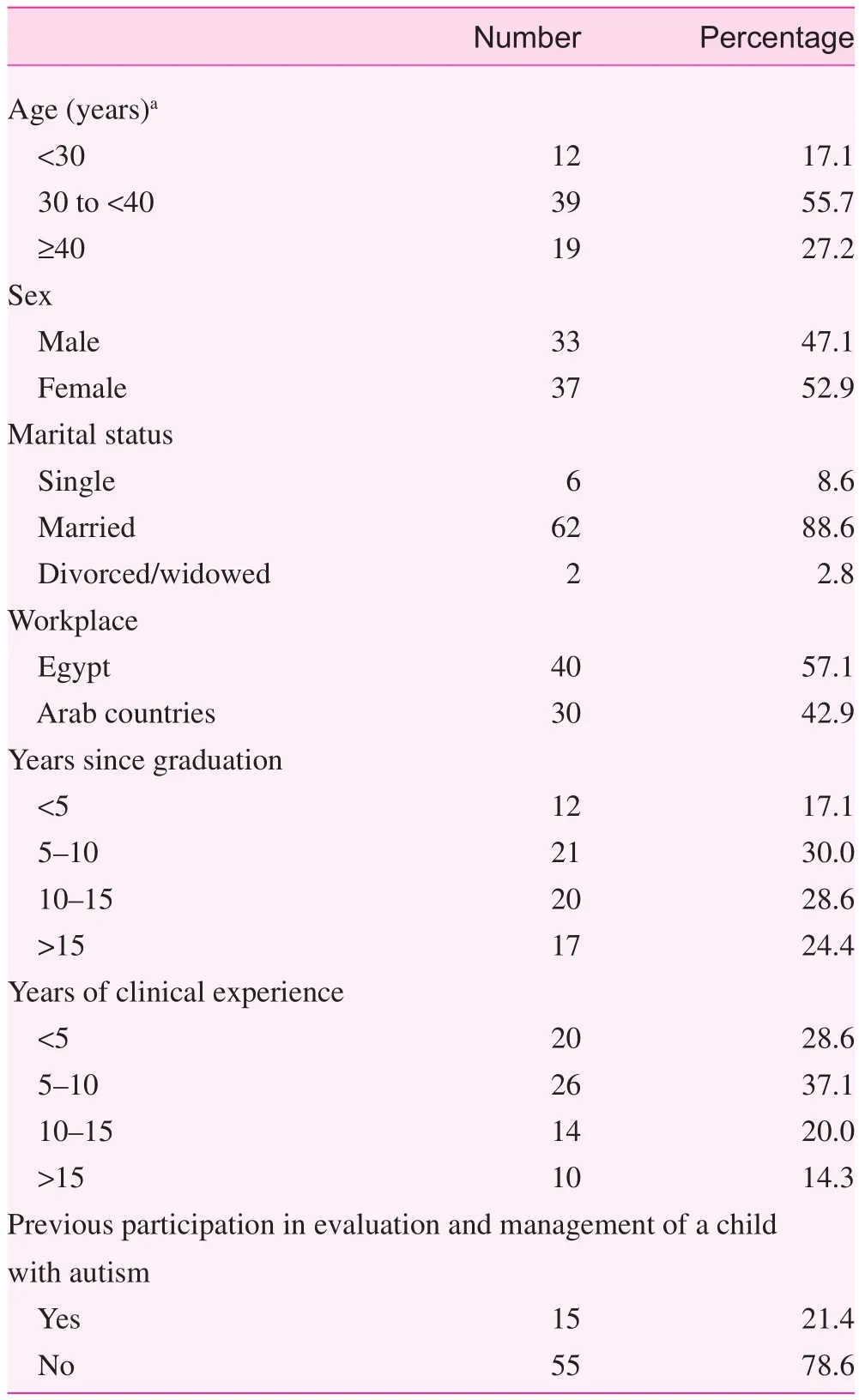
Table 1. Sociodemographic characteristics (n = 70)
The data analysis in Table 4 compares the KCAHW mean total scores and the mean score for the individual domains among different sociodemographic subgroups. There was a significant difference between different age groups in domain 2 of the knowledge score. In the same manner, thereis a significant difference also between different marital status as married physicians had higher scores in domain 1, while the number of years since graduation and clinical experience of 5 years or greater showed a statistically significant difference regarding the total score and many domains scores. Finally,previous experience in evaluation and management of autism shows a difference in total and some domain scores.
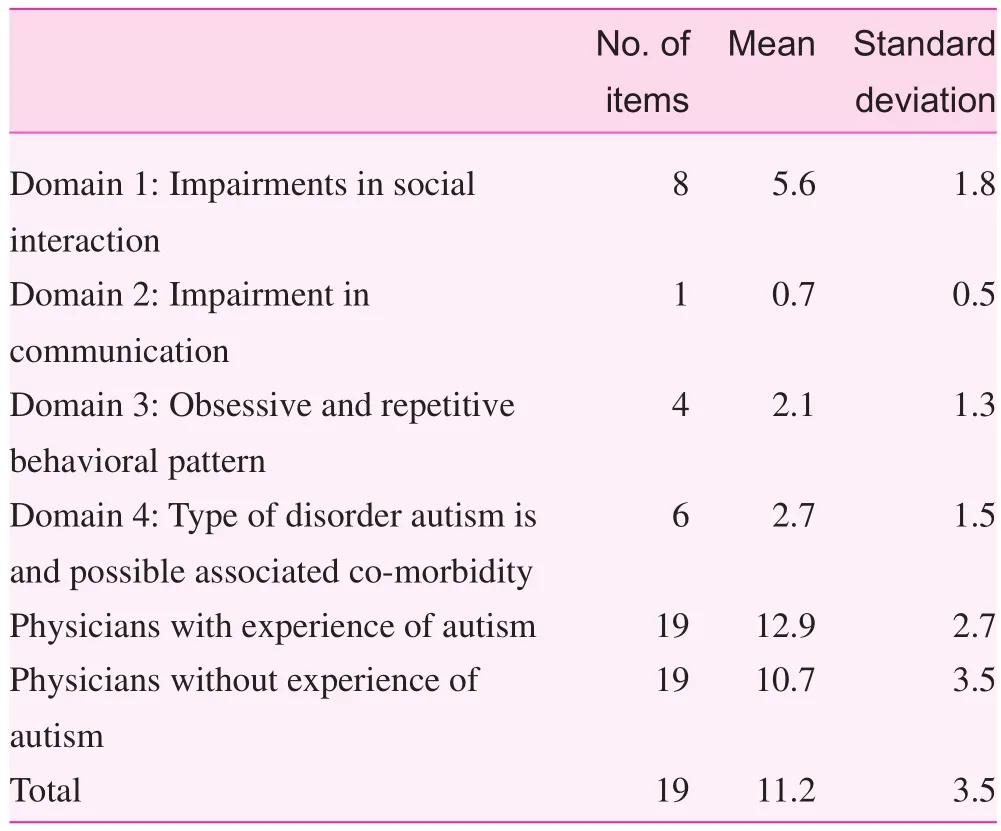
Table 2. Mean scores on the Knowledge about Childhood Autism among Healthcare Workers questionnaire
Regarding correlation between sociodemographic characteristics of participants and KCAHW scores and different domains. The number of years of clinical experience weakly correlated with the domain 2 score, while previous experience in autism also weakly correlated with total, domain 2, and domain 3 scores.
Discussion
Worldwide, millions of children have ASDs. Although the cause of ASDs is not known completely, early diagnosis of ASDs is crucially important as it facilitates early intervention that has demonstrated improved educational and behavioral outcomes in children, including social, cognitive, and communication outcomes [3, 22].
The prevalence of ASDs has risen steadily (about 1 in 110 children), with an increase of 57.0% between 2002 and 2006 [23].Family physicians play an important role in the identification and
long-term management of autism in children [24]. Pediatricians and family physicians are the first health care providers that a family contacts for children younger than 5 years, which is considered the critical age for diagnosis of ASD [25].
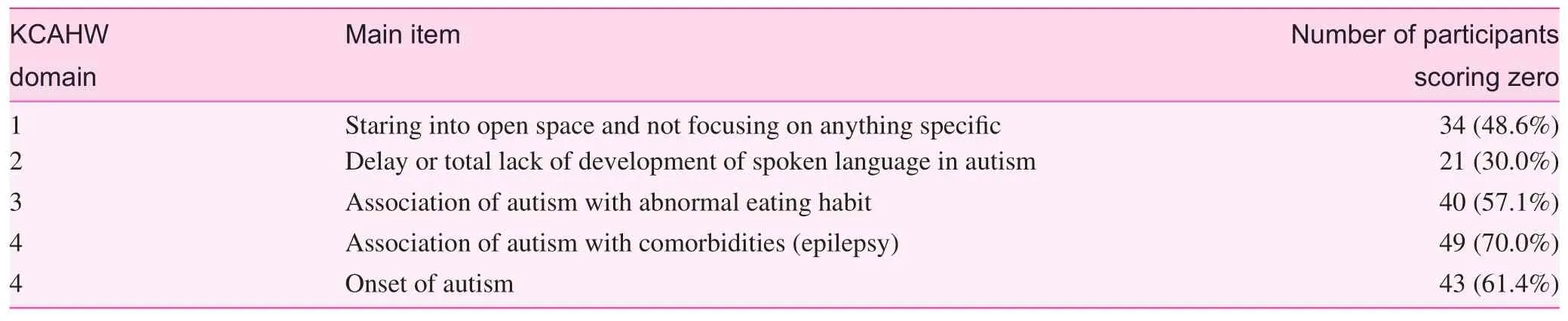
Table 3. Items associated with major knowledge gaps in the Knowledge about Childhood Autism among Healthcare Workers questionnaire domains (n = 70)
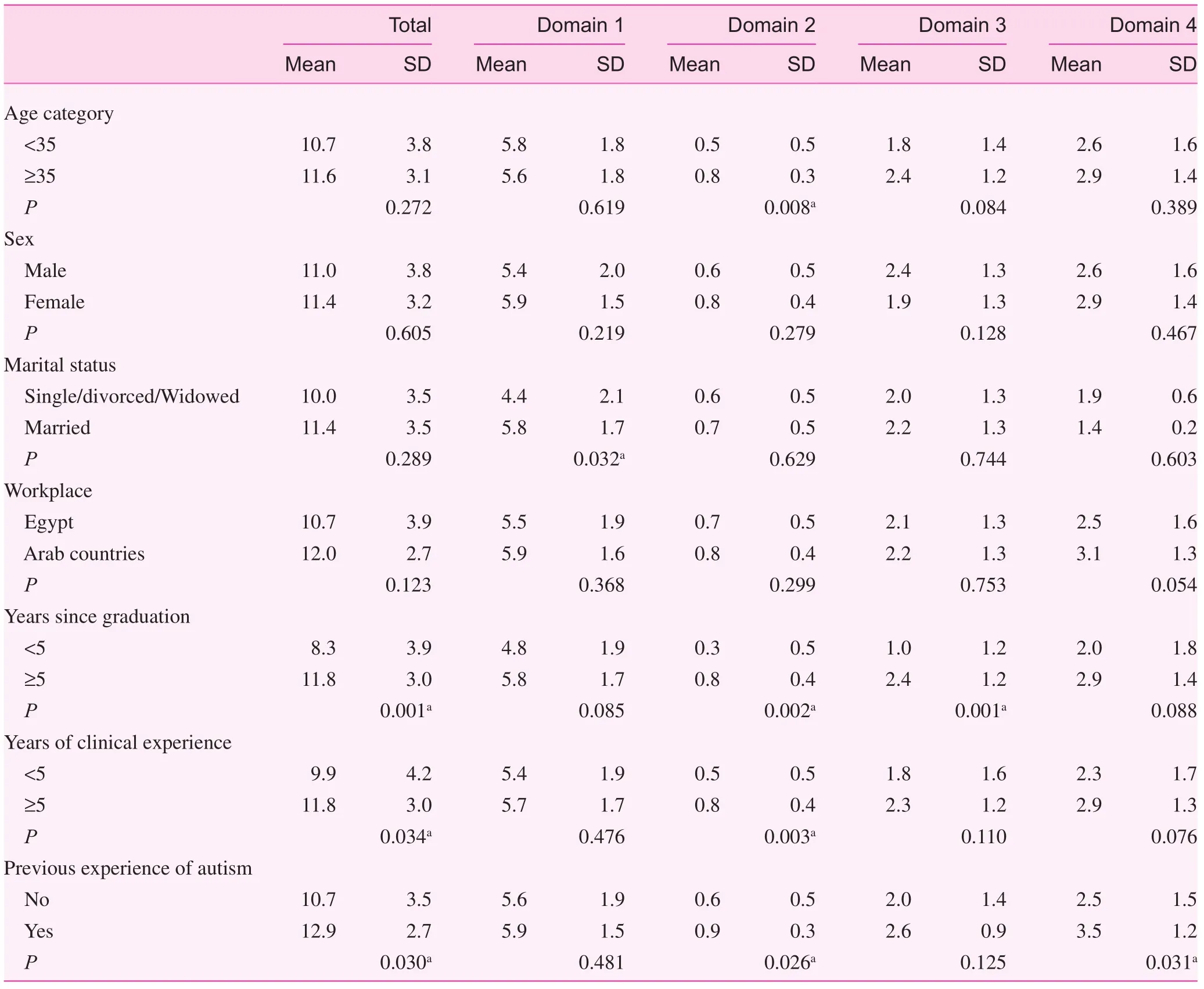
Table 4. Comparison of the Knowledge about Childhood Autism among Healthcare Workers questionnaire mean scores among sociodemographic subgroups
The current study is the first study to assess the knowledge of physicians regarding autism in Egypt; few researchers have addressed knowledge of ASD in Africa. In Africa, many studies proved that the level of knowledge and awareness of ASD among physicians were low [12, 26].
In the present study, the mean total score on the KCAHW questionnaire among family physicians is 11.2 ± 3.5, which is lower than mean total score in a study in Nigeria of 13.5 ± 3.7,where there was higher percentage of physicians who had seen autism cases than in the current study, 34.7% versus 21.4%respectively [26]. Also the Nigerian study reported that good knowledge (KCAHW score ≥15) was definitely associated with working as a pediatrician or psychiatrist and practicing in a tertiary health facility, while poor knowledge (KCAHW score <15) was significant among general practitioners. This is congruent with the findings of the present study as the participants were family physicians and as the mean total score of physicians with previous experience with autism in their clinics was higher the score of physicians without pervious experience (12.9 ± 2.7 and 10.7 ± 3.5 respectively), because it is considered that previous experience is one of the best tools to acquire knowledge (learning by doing).
Also, among many studies that indicated a low level of knowledge and awareness of childhood autism is a study done in Pakistan that reported that only 44.6% of physicians had heard of autism [10].
Regarding different domains of the KCAHW score, in the present study the mean score in domain 1, which deals with impairments in social interaction, was 5.6 ± 1.8, which is lower than in another study done among final year medical students in Nigeria, which reported a mean total score of 6.2, slightly higher than the result in the present study, while the domain 2 score was like that in this study (0.7). Domain 3 in the present study had a mean score of 2.1, which is also lower than the score of 2.7 in the aforementioned study. For domain 4 the mean score was 2.7,also lower than in the Nigerian study, which reported 3.8 for this domain [27]. These differences may be due to lack of autism cases, late diagnosis, and most cases going to psychiatrists.
Another study on health care workers in Nigeria stated the mean score in domain 1, which showed impairments in social interaction, was 5.80 ± 1.90, near to the mean score of 5.6 ± 1.8 in the present study. The mean score in domain 2,which concerns communication impairments, was 0.82 ± 0.14 versus 0.7 ± 0.5 in the current study. Domain 3, which concerns obsessive and repetitive behavioral pattern, had a mean score of 2.20 ± 0.90, compared with 2.1 ± 1.3 in this study, which could be considered similar. Domain 4, which address the type childhood autism and possible associated comorbidity,had a mean score of 3.53 ± 1.46, compared with 2.7 ± 1.5 in the present study. Finally the mean total score was 12.35 ± 4.40,compared with a mean total score of 11.2 ± 3.5 in this study.These results show the lower level of knowledge of physicians of autism and need for action to raise their awareness [12].This lack of knowledge may be due to the curriculum not covering autism in their undergraduate studies, and relatively recent awareness about the disease in Egypt.
In a study to assess knowledge of autism among nurses in Nigeria, the mean total score on the KCAHW questionnaire among nurses was 12.56 ± 3.23. The mean score for pediatric nurses was 11.78 ± 3.64, while for psychiatric nurses it was 13.35 ± 2.58. The mean score for domain 1 was 6.17 ± 1.75 in pediatric nurses and 6.52 ± 1.43 in psychiatric nurses. The mean score for domain 2 was 0.65 ± 0.48 for pediatric nurses and 0.80 ± 0.41 for psychiatric nurses. The mean score for domain 3 was 1.97 ± 1.25 for pediatric nurses and 2.62 ± 1.23 for psychiatric nurses. The mean score for domain 4 was 2.97 ± 1.54 for pediatric nurses and 3.42 ± 0.98 for psychiatric nurses [19]. These results show some higher and some lower scores than in the present study but the mean total score was higher. These variations can be explained by lack of medical training, practice, and working in psychiatric clinics, which receive the main bulk of cases.
The main item in each of the domains in which most physicians demonstrated a knowledge gap (incorrect knowledge or do not know and scoring 0) in domain 1 was staring into open space and not focusing on anything specific, with a negative response in 48.0% of participants. This is similar to the results of a study that reported that <70.0% of medical students in the final year recognized that staring into open space is one of the symptoms of ASD in affected children[27], while in a study in physicians in Nigeria, the knowledge gap in domain 1 came from lack of recognition of the absence of a social smile in a child with autism in 23.4% of physicians. In domain 2, delay or total lack of development of spoken language in autism formed a gap in 30.0% of participants compared with 26.3% in the Nigerian study. Also, association of autism with abnormal eating habits was the greatest cause of the gap in domain 3 in 57.0% of participants, similar to the Nigerian study, but in only 28.0% of physicians. Further,association of autism with comorbidities (epilepsy) was the main item in the knowledge gap in domain 4 in 70.0% of participants, similar to the Nigerian study (but only 31.1%) [26].Another study stated that 46.0% of physicians were unsure if seizures are commoner with autism [28]. Finally, onset of autism formed a gap in 61.0% of family physicians in the current study compared with 31.1% in the comparative study[26], which involved physicians from different specialties,including pediatricians and psychiatrists, who practice more than family physicians in autism.
This study showed also a statistical relationship and association between age >35 years and domain 2 score, but no relationship with total or other domain scores, compared with a study that found a relationship between age categories and mean total score [12]. This is different from the findings of a study that found physicians who were younger (age <30 years)were likelier to report knowledge of autism [10]. Also, a study in medical students found no association between age and KCAHW score [29]. Regarding sex, no significant relationship was found, similar to many studies [10, 29], while a study reported that for men in domain 4 [27], the relation between age and knowledge better reflected more experience over number of years of working.
Regarding marital status, there is a relationship between being married and the mean score of domain 1, which is concerned with social interaction, while the total score is not very similar to that of another study [12].
Also, the study found a relationship between number of years since graduation or number of years of clinical experience and the mean score of the KCAHW questionnaire and some domains as more than 5 years resulted in higher KCAHW scores, and the number of years of clinical experience is associated with domain 2. Also, in another study there was a near significant relationship between total score and number of years of experience (P = 0.056) [12]. Marriage at an older age, more experience, and living with children raise awareness about norms of children, and previous experience of cases of autism is the best tool to learn something as learning by doing.
Finally, this study found a relationship and correlation between earlier involvement in evaluation and management of autism and the mean scores of the KCAHW questionnaire and domains 2 and 4. This is congruent with many studies showing that earlier awareness and participation in evaluation and management of autism is a significant factor that influences knowledge of childhood autism [18, 27, 29], and previous experience of cases of autism is the best tool to learn something as learning by doing.
Limitations of the study
As the first study in Egypt to use the KCAHW questionnaire,there may have been some limitations associated with the sample size and sampling methods, and it did not include other specialties such as pediatricians and psychiatric physicians.Also, the study did not include questions about attitudes and cultural beliefs of the participants, which vary with KCAHW scores such that high scorers tend to subscribe to natural causes for ASD as reviewed by Franz et al. [30].
Conclusion
The present study showed a lack of knowledge of autism among family physicians, so there is a need for more training programs on autism to increase awareness of physicians and improve early detection and intervention, which will improve the quality of life and the care of children with autism. Further, research is needed to assess factors associated with poor knowledge to improve awareness among physicians,and assessment of knowledge of autism among the general population.
Acknowledgment
The author acknowledges all the participants for their cooperation.
Conflicts of interest
The author declares no conflict of interest.
Funding
This research received no specific grant from any funding agency in the public, commercial, or not for-profit sectors.
Significance statement
The aim of this study is to assess knowledge about autism among family physicians, producing information from Egypt that adds to research base. This study is a cross-sectional descriptive study, it was conducted between January and March 2017, carried out in the family medicine department, faculty of medicine,Suez Canal University in Ismailia city, Egypt. It used questionnaire of Knowledge about Childhood Autism among Healthcare Workers, and the mean score was 11.2 ± 3.5. It concluded that there is a lack of knowledge about autism among family physicians; they need more training about autism to increase awareness to improve early detection and intervention for improving the quality of life and care of children with autism.
1. American Psychiatric Association, Diagnostic and statistical manual of mental disorders. 5th ed. Arlington: American Psychiatric Association; 2013.
2. American Psychiatric Association. Diagnostic and statistical manual of mental disorders. 4th ed. Washington: American Psychiatric Association; 1994.
3. Fombonne E. Epidemiology of autistic disorder and other pervasive developmental disorders. J Clin Psychiatry 2005;66(10):3—8.
4. Centers for Disease Control and Prevention. Prevalence of autism spectrum disorders-autism and developmental disabilities monitoring network, 14 sites, United States, 2002. MMWR Morb Mortal Wkly Rep 2007;56:12—28.
5. Elsabbagh M, Divan G, Koh YJ, Kim YS, Kauchali S, Marcin C,et al. Global prevalence of autism and other pervasive developmental disorders. Autism Res 2012;5(3):160—79.
6. Bakare MO, Munir KM. Autism spectrum disorders (ASD) in Africa: a perspective. Afr J Psychiatry 2011;14(3):208—10.
7. Fombonne E. The prevalence of autism. J Am Med Assoc 2003;289:87—9.
8. Stone WL. Cross disciplinary perspectives on autism. J Pediatr Psychol 1987;12(4):615—30.
9. Igwe MN, Bakare MO, Agomoh AO, Onyeama GM, Okonkwo KO. Factors influencing knowledge about childhood autism among final year under graduates medical, nursing and psychology students of University of Nigeria, Enuga. Ital J Pediatr 2010;36:44.
10. Rahbar MH, Ibrahim K, Assassi P. Knowledge and attitude of general practitioner regarding austim in Karachi, Pakistan.J Autism Dev Disord 2011;41:465—74.
11. Daley TC, Sigman MD. Diagnostic conceptualization of autism among Indian psychiatrist, psychologist and pediatrician.J Autism Dev Disord 2002;32:13—23.
12. Bakare MO, Ebigbo PO, Agomoh AO, Eaton J, Onyeama GM,Okonkwo KO, et al. Knowledge about childhood autism and opinion among healthcare workers on availability of facilities and law caring for the needs and rights of children with childhood autism and other developmental disorders in Nigeria. BMC Pediatr 2009;9:12.
13. Wilkinson LA. How many doctors does it take to diagnose autism spectrum disorders. Autism 2011;1:101.
14. Fernell E, Eriksson MA, Gillberg C. Early diagnosis of autism and impact on prognosis: a narrative review. Clin Epidemiol 2013;5:33—43.
15. Reichow B, Volkmar FR. Evidence-based practices in autism:where we started. In: Reichow B, Doehring P, Cicchetti DV,Volkmar FR, editors. Evidence-based practices and treatments for children with autism. New York: Springer; 2011. pp. 3—24.
16. Newton CR, Chugani DC. The continuing role of ICNA in Africa:how to tackle autism. Dev Med Child Neurol 2013;55(6):488—89.
17. Bakare MO, Agomoh AO, Ebigbo PO, Eaton J, Okonkwo KO,Onwukwe JU, et al. Etiological explanation, treatability and preventability of childhood autism: a survey of Nigerian health care workers opinions. Ann Gen Psychiatry 2009;8:6.
18. Igwe MN, Ahanotu AC, Bakare MO, Achor JU, Igwe C. Assessment of knowledge about childhood autism among paediatric and psychiatric nurses in Ebonyi state, Nigeria. Child Adolesc Psychiatry Ment Health 2011;5:1.
19. African Network for the Prevention and Protection against Child Abuse and Neglect: Nigeria chapter: communiqué on a project to increase the level of awareness on autism and develop a mechanism for care and support of children with autism in Enugu State,south eastern Nigeria. 2007.
20. Elbahaaey WA, Elkholy MH, Tobar SS, El-Boraie H. Egyptian children with autism spectrum disorders: risk factors and comorbidity in relation to disease severity. Egypt J Psychiatry 2016;37(2):59—69.
21. Bakare MO, Ebigbo PO, Agomoh AO, Menkiti NC. Knowledge about Childhood Autism among Health Workers (KCAHW)questionnaire: description, reliability and internal consistency.Clin Pract Epidemiol Ment Health 2008;4:17.
22. Rapin I. Autism. N Engl J Med 1997;337:97—104.
23. Autism and Developmental Disabilities Monitoring Network Surveillance Year 2006 Principal Investigators. Prevalence of autism spectrum disorders — autism and developmental disabilities monitoring network, United States, 2006. MMWR Surveill Summ 2009;58(10):1—20.
24. Carbone PS, Farley M. Primary care for children with autism.Am Fam Physician 2010;81(4):453—60.
25. Sandler AD, Brazdzuinas D, Cooley WC, Gonzalez de Pijem L, Hirsh D, Kastner TA, et al. Developmental surveillance and screening of infants and young children. Pediatrics 2001;108:192—7.
26. Eseigbe EE, Nuhu FT, Sheikh TL, Eseigbe P, Sanni KA, Olisah VO. Knowledge of childhood autism and challenges of management among medical doctors in Kaduna State, northwest Nigeria.Autism Res Treat 2015;2015:892301.
27. Bakare MO, Tunde-Ayinmode MF, Adewuya AO, Bello-Mojeed MA, Sale S, James BO, et al. Recognition of autism spectrum disorder (ASD) symptoms and knowledge about some other aspects of ASD among final year medical students in Nigeria,sub-Saharan Africa. BMC Res Notes 2015;8(1):454.
28. McAndrew MH, Doody KR, Mertz J. Knowledge of autism spectrum disorders in potential first-contact professionals. North Am J Med Sci 2014;7(3):97—102.
29. Shaukat F, Fatima A, Zehra N, Gulahussein MA, Ismail O.Assessment of knowledge about childhood autism among medical students from private and public universities in Karachi. J Pak Med Assoc 2014;64:1331.
30. Franz L, Chambers N, von Isenburg M, de Vries PJ. Autism spectrum disorder in sub-Saharan Africa: a comprehensive scoping review. Autism Res 2017;10(5):723—49.
Hend Mikhail Salama, MD,Lecturer in Family Medicine Department
Department of Family Medicine,Faculty of Medicine, Suez Canal University, Ismailia, Egypt
E-mail: hind_mikhail@yahoo.com
25 March 2017;Accepted 19 July 2017
Appendix: KCAHW Questionnaire – English
The following behaviors best describe a child with childhood autism:
1. Marked impairment in use of multiple nonverbal behaviors such as eye-to-eye contact, facial expression, body postures,and gestures during social interaction?(A) Don’t know, (B) Yes, (C) No
2. Failure to develop peer relationship appropriate for developmental age?(A) Don’t know, (B) Yes, (C) No
3. Lack of spontaneous will to share enjoyment, interest, or activities with other people?(A) Don’t know, (B) Yes, (C) No
4. Lack of social or emotional reciprocity?(A) Don’t know, (B) Yes, (C) No
5. Staring into open space and not focusing on anything specific?(A) Don’t know, (B) Yes, (C) No
6. The child can appear as if deaf or dumb?(A) Don’t know, (B) Yes, (C) No
7. Loss of interest in the environment and surroundings?(A) Don’t know, (B) Yes, (C) No
8. Social smile is usually absent in a child with autism?(A) Don’t know, (B) Yes (C) No
9. Delay or total lack of development of spoken language?(A) Don’t know (B) Yes (C) No
10. Stereotyped and repetitive movement (e.g. hand or finger flapping or twisting)?(A) Don’t know (B) Yes, (C) No
11. Autism is related to abnormal eating habit?(A) Don’t know, (B) Correct, (C) In-correct
12. Persistent preoccupation with parts of objects?(A) Don’t know, (B) Yes, (C) No
13. Love for regimented routine activities?(A) Don’t know, (B) Yes, (C) No
14. Autism is childhood schizophrenia?(A) Don’t know, (B) Yes, (C) No
15. Autism is an autoimmune condition?(A) Don’t know, (B) Yes, (C) No
16. Autism is a neurodevelopmental disorder?(A) Don’t know, (B) Yes, (C) No
17. Autism could be associated with mental retardation?(A) Don’t know, (B) Yes, (C) No
18. Autism could be associated with epilepsy?(A) Don’t know, (B) Yes, (C)No
19. Onset of autism is usually in(A) Neonatal age, (B) Infancy, (C) Childhood
 Family Medicine and Community Health2017年4期
- Family Medicine and Community Health的其它文章
- An automated management system for the community health service in China
- Survey and analysis of patient safety culture in a county hospital
- Additive manufacturing techniques and their biomedical applications
- A case of probable sporadic Creutzfeldt–Jakob disease
- Seguin Form Board as an intelligence tool for young children in an Indian urban slum
- Counseling strategies for nutritional anemia by family physicians in Saudi Arabia, 2016: Implication for training